The Description of the the Courts of Heaven
The Courts of Heaven is vividly described by biblical patriarchs to whom God granted visions and dreams. Throughout Scripture, God revealed His heavenly courtroom, allowing His servants to witness divine proceedings and understand His justice system. These visions provided clear insights into how God rules with fairness and authority in the spiritual realm.

Isaiah’s Vision (Isaiah 6:1-7):
“In the year that King Uzziah died, I saw the Lord sitting on a throne, high and lifted up, and the train of His robe filled the temple. Above it stood seraphim; each one had six wings: with two he covered his face, with two he covered his feet, and with two he flew. And one cried to another and said: ‘Holy, holy, holy is the Lord of hosts; The whole earth is full of His glory!’ And the posts of the door were shaken by the voice of him who cried out, and the house was filled with smoke. So I said: ‘Woe is me, for I am undone! Because I am a man of unclean lips, and I dwell in the midst of a people of unclean lips; For my eyes have seen the King, The Lord of hosts.’ Then one of the seraphim flew to me, having in his hand a live coal which he had taken with the tongs from the altar. And he touched my mouth with it, and said: ‘Behold, this has touched your lips; Your iniquity is taken away, And your sin purged.’” (Isaiah 6:1-7, NKJV)
Isaiah’s vision of the Lord seated on His throne reveals a profound encounter with the divine courtroom. The imagery of God as King and Judge ruling from His throne is a central theme in scripture. The seraphim’s proclamation of “Holy, holy, holy” emphasizes God’s absolute purity and sovereignty in His rulings. This moment underscores the seriousness of standing before God’s judgment seat, as even Isaiah, a prophet of God, felt unworthy in His presence.
The shaking of the temple and the filling of the house with smoke further highlight the majesty and authority of God’s courtroom. This vision illustrates the awe-inspiring nature of God’s judicial authority, where holiness and justice are inseparable. Isaiah’s immediate response of repentance and cleansing by the live coal symbolizes the process of divine purification for those who approach God’s throne, aligning with the role of Jesus as our advocate in the heavenly court today (Hebrews 9:24-26).
Daniel’s Vision (Daniel 7:9-10):
“I watched till thrones were put in place, and the Ancient of Days was seated; His garment was white as snow, And the hair of His head was like pure wool. His throne was a fiery flame, Its wheels a burning fire; A fiery stream issued And came forth from before Him. A thousand thousands ministered to Him; Ten thousand times ten thousand stood before Him. The court was seated, And the books were opened.” (Daniel 7:9-10, NKJV)
Daniel’s vision provides a striking depiction of the heavenly courtroom, emphasizing God’s authority and the solemn nature of divine judgment. The “Ancient of Days” refers to God, seated in His majesty, clothed in white to symbolize purity and righteousness. His fiery throne represents His holiness and the consuming power of His justice.
The imagery of “thrones being put in place” suggests a structured judicial system in heaven, where decisions are made according to divine law. The multitude standing before God signifies the vast number of heavenly beings involved in divine administration. The phrase “the books were opened” points to records of human deeds, aligning with other biblical references where God keeps accounts of people’s actions (Revelation 20:12, Malachi 3:16).
This vision reinforces the reality that God presides as the ultimate Judge over all creation. It also foreshadows the final judgment, where righteousness will be upheld, and every case will be settled according to divine justice. For believers, it is a reminder that seeking justice in the Courts of Heaven means presenting one’s case before a Judge who is both holy and merciful, ruling with absolute truth.
Micaiah’s Vision (1 Kings 22:19-23):
“Micaiah continued, ‘Therefore hear the word of the Lord: I saw the Lord sitting on His throne with all the multitudes of heaven standing around Him on His right and on His left. And the Lord said, ‘Who will entice Ahab into attacking Ramoth Gilead and going to his death there?’ One suggested this, and another that. Finally, a spirit came forward, stood before the Lord, and said, ‘I will entice him.’ ‘By what means?’ the Lord asked. ‘I will go out and be a deceiving spirit in the mouths of all his prophets,’ he said. ‘You will succeed in enticing him,’ said the Lord. ‘Go and do it.’ So now the Lord has put a deceiving spirit in the mouths of these prophets of yours. The Lord has decreed disaster for you.'” (1 Kings 22:19-23, NIV)
Micaiah’s vision provides a rare glimpse into the divine council where decisions regarding earthly affairs are made. The scene reveals God seated on His throne, surrounded by heavenly beings, deliberating over King Ahab’s fate. This account demonstrates that God actively governs world events and allows spiritual forces to carry out His decrees.
God’s Supreme Authority: The vision portrays God as the ruler over both righteous and fallen spiritual beings, exercising authority over the course of history.
The Reality of the Heavenly Court: This passage aligns with other biblical visions of God’s courtroom (Daniel 7:9-10, Job 1:6-12), confirming that God’s decisions involve consultation within the divine council.
The Role of Spirits in Judgment: The deceptive spirit’s role highlights how God can permit judgment through various means, emphasizing the principle of divine justice.
Micaiah’s vision reminds us that the Court of Heaven is actively engaged in human history, ruling with wisdom and righteousness to fulfill God’s purposes.
Zechariah’s Vision (Zechariah 3:1-7):
“Then he showed me Joshua the high priest standing before the Angel of the Lord, and Satan standing at his right hand to oppose him. And the Lord said to Satan, ‘The Lord rebuke you, Satan! The Lord who has chosen Jerusalem rebuke you! Is this not a brand plucked from the fire?’ Now Joshua was clothed with filthy garments and was standing before the Angel. Then He answered and spoke to those who stood before Him, saying, ‘Take away the filthy garments from him.’ And to him He said, ‘See, I have removed your iniquity from you, and I will clothe you with rich robes.’ And I said, ‘Let them put a clean turban on his head.’ So they put a clean turban on his head, and they put the clothes on him. And the Angel of the Lord stood by. Then the Angel of the Lord admonished Joshua, saying, ‘Thus says the Lord of hosts: If you will walk in My ways, and if you will keep My command, then you shall also judge My house, and likewise have charge of My courts; I will give you places to walk among these who stand here.'” (Zechariah 3:1-7, NKJV)
Zechariah’s vision portrays a courtroom setting where Joshua, the high priest, is being accused by Satan before the Angel of the Lord. This scene illustrates key spiritual realities:
The Role of Satan as the Accuser: Just as in Job 1:6-12, Satan brings accusations against God’s people, seeking to condemn them.

God’s Authority Over Satan: The Lord Himself rebukes Satan, demonstrating that divine justice supersedes all accusations brought against believers.
The Cleansing and Justification of the Believer: Joshua, clothed in filthy garments (representing sin), is given clean robes, signifying the removal of iniquity and the righteousness granted by God.
The Promise of Authority: Joshua is not only forgiven but also entrusted with a role in God’s divine administration, reinforcing the idea that those purified by God are called to serve in His kingdom. This vision beautifully foreshadows Christ’s role as our Advocate (1 John 2:1) and the power of God’s mercy in the Court of Heaven. It reassures believers that despite Satan’s accusations, God’s grace prevails, clothing us with righteousness and granting us access to His presence.
John’s Revelation (Revelation 4:1-11, 20:11-12): The Apostle John received a revelation of God’s throne, where the 24 elders worshiped Him, and the final judgment was pronounced based on what was recorded in the books.
These visions confirm that the court of heaven is not just a metaphor but a real, functioning judicial system where God reigns as Judge, assisted by angels and heavenly beings. They also reveal that God actively intervenes in the affairs of men through divine justice.
Psalm 82:1 – “God stands in the congregation of the mighty; He judges among the gods.”
This verse presents a powerful image of God presiding over a divine council, exercising His authority as the Supreme Judge. The phrase “congregation of the mighty” is often interpreted as a reference to the heavenly assembly or rulers, possibly angelic beings or earthly authorities under God’s sovereign rule.
God’s Authority Over Spiritual and Earthly Rulers: Throughout scripture, God is shown as the ultimate Judge who holds both spiritual and human authorities accountable.
Daniel 7:9-10 – Describes the Ancient of Days taking His seat in the heavenly court, where thrones were set and books were opened for judgment.
Revelation 20:11-12 – Depicts the final judgment, where all are judged according to what is written in the books.
God’s Justice and Righteousness:
Deuteronomy 10:17 – “For the Lord your God is God of gods and Lord of lords, the great God, mighty and awesome, who shows no partiality and accepts no bribes.”
This verse underscores God’s supreme authority over all spiritual and earthly powers. He is the highest Judge, the One who reigns above all and whose judgments are final and unquestionable. The phrase “God of gods and Lord of lords” establishes His unmatched sovereignty over all rulers, both in the natural and spiritual realms.
God’s Impartial Judgment: Unlike human judges who may be influenced by status, wealth, or persuasion, God’s justice is absolute and incorruptible. He does not show favoritism (Romans 2:11) and administers justice with perfect righteousness (Psalm 89:14).
God’s Power Over Authorities: As the ultimate Judge, God holds all earthly kings and rulers accountable (Daniel 2:21, Proverbs 21:1). His authority extends beyond human governance to the spiritual domain, where He reigns supreme over all heavenly beings.
God as Defender of the Oppressed: In His role as Judge, God ensures justice for the weak, the fatherless, and the oppressed (Psalm 68:5, Psalm 146:7-9). His courtroom is one where righteousness prevails, and His judgments cannot be overturned. This verse is a reminder that in the Courts of Heaven, we stand before a Judge who is both mighty and just, yet merciful.
Unlike human legal systems, where corruption can exist, God’s courtroom operates on absolute fairness, and His rulings are eternal.
Psalm 9:7-8 – “But the Lord shall endure forever; He has prepared His throne for judgment. He shall judge the world in righteousness, and He shall administer judgment for the peoples in uprightness.”
This verse highlights the reality that God actively judges among rulers, both in the natural and spiritual realms. It serves as a reminder that all power and authority are subject to His ultimate rule and justice in the Court of Heaven.
Hebrews 12:22-24 – This passage provides a powerful description of the heavenly assembly, illustrating the majesty and authority of the divine courtroom. It speaks of Mount Zion, the city of the living God, where an innumerable company of angels, the church of the firstborn, and the spirits of the righteous made perfect gather in God’s presence. God is identified as the ultimate Judge, presiding over this celestial assembly, while Jesus serves as the mediator of the new covenant.
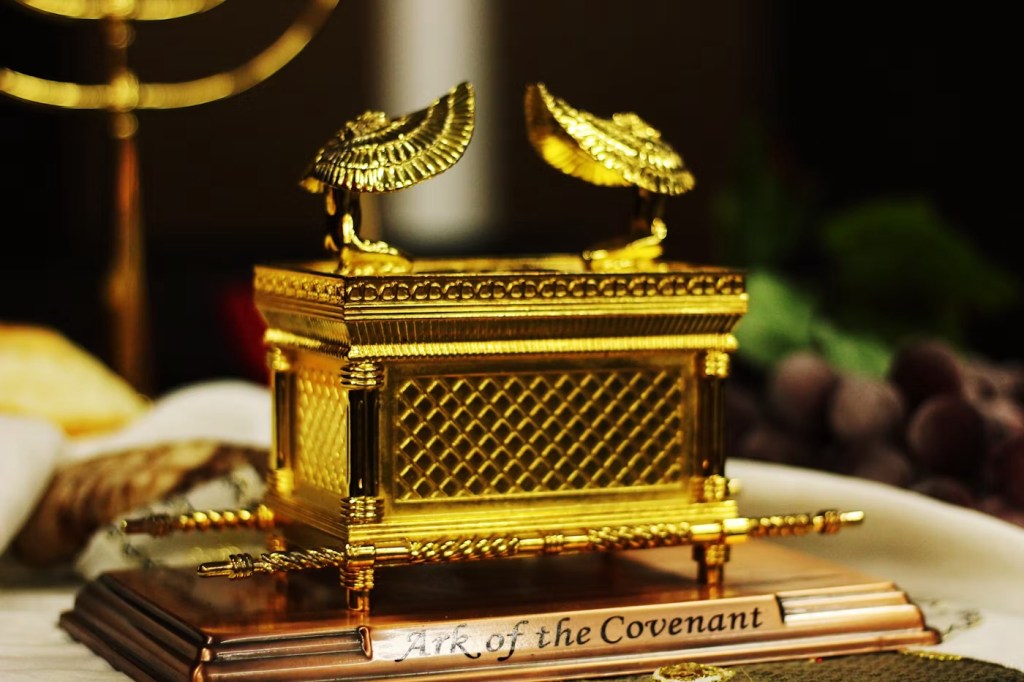
This passage highlights the contrast between the old covenant, marked by the fearful presence of God at Mount Sinai, and the new covenant, which brings believers into direct access to the divine court through the blood of Jesus, which speaks better things than that of Abel.
The reference to Jesus as the mediator reinforces His role as our advocate before the divine Judge, ensuring that mercy and grace are available to all who seek justice in the Court of Heaven.
Shalom! Rev. Ron
 Virtuous Living