“He is despised and rejected by men, A Man of sorrows and acquainted with grief. And we hid, as it were, our faces from Him; He was despised, and we did not esteem Him. Surely He has borne our griefs And carried our sorrows; Yet we esteemed Him stricken, Smitten by God, and afflicted. But He was wounded for our transgressions, He was bruised for our iniquities; The chastisement for our peace was upon Him, And by His stripes we are healed. All we like sheep have gone astray; We have turned, every one, to his own way; And the Lord has laid on Him the iniquity of us all. He was oppressed and He was afflicted, Yet He opened not His mouth; He was led as a lamb to the slaughter, And as a sheep before its shearers is silent, So He opened not His mouth.”
Isaiah 53:3-7 NKJV
This is a profound prophetic passage that speaks of Jesus Christ, the suffering servant. These verses reveal the depth of His sacrificial love and the purpose behind His suffering. It remains deeply relevant to the Christian faith and daily walk with God, offering both theological foundation and personal encouragement. It is a call to humility, repentance, and deep gratitude for the One who took our place.
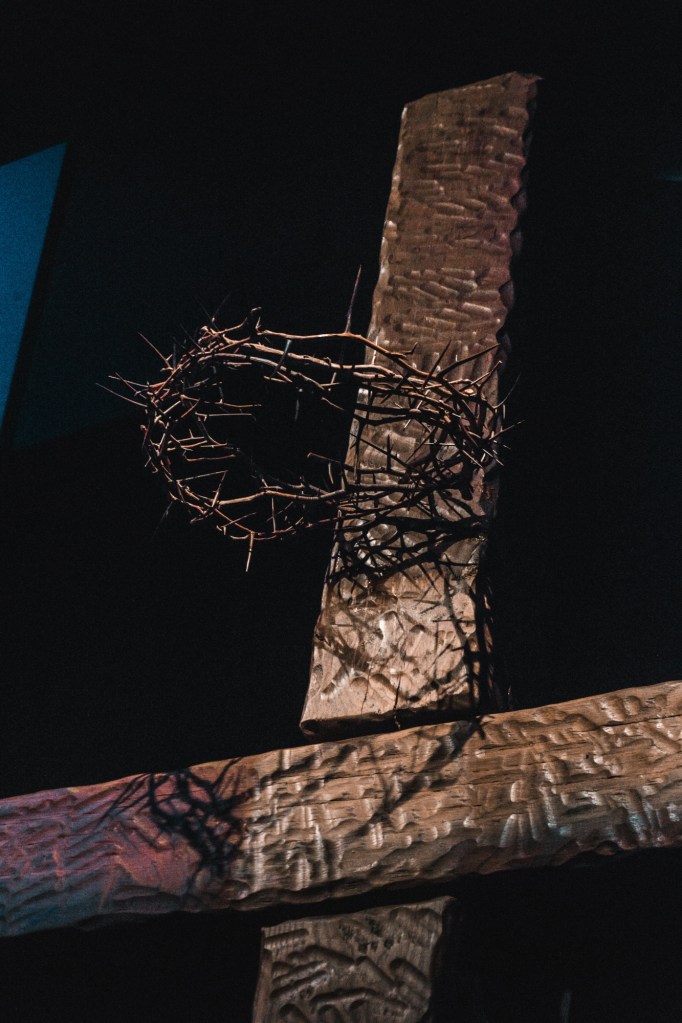
1. The Heart of the Gospel: Substitutionary Atonement
This passage is central to understanding the Gospel. It clearly prophesies the idea that Jesus took the place of sinners. “He was wounded for our transgressions” means that He bore the punishment we deserved. For us, this is not just a historical truth—it’s the basis of salvation. Our relationship with God begins with the recognition that we cannot save ourselves. Jesus’ suffering, foretold here, reveals the cost of grace and the depth of God’s love.

2. God’s Justice and Mercy in Harmony
Isaiah 53 shows how God’s justice and mercy meet. Sin demanded justice, and Jesus willingly became the offering. As children of God, we find assurance in knowing that God didn’t ignore sin but dealt with it through Christ. This gives believers confidence in God’s righteousness and peace in their forgiveness.
3. A Model of Suffering and Submission
In the Christian walk, suffering is inevitable. Jesus’ silent endurance—“He opened not His mouth”—serves as a powerful example of humble submission to God’s will. This helps believers trust God even in pain or injustice, knowing Jesus walked that path first. It also encourages endurance, faith, and trust in God’s purposes, even when they are hard to understand.
4. A Call to Gratitude and Worship
Understanding that Christ took on our griefs and sorrows moves the heart to gratitude. Worship is no longer a duty, but a response to love. We are called to live a life that reflects the weight of this sacrifice—walking in holiness, love, and humility.

5. An Invitation to Share the Good News
Isaiah 53 compels believers to share the message of the Gospel. If Christ bore the sins of all, then the Good News is for everyone. This passage reminds us of the mission: to bring this hope to those still burdened by guilt, shame, and spiritual separation.
In Summary:
This chapter of Isaiah is not just prophecy fulfilled—it’s a living message that defines the Christian identity. It reminds us that our faith is rooted in sacrifice, sustained by grace, and expressed through surrender and service. It encourages us to have a deeper trust in God, a deeper love for Christ, and a deeper compassion for others.
With Love, Esinam.
 Virtuous Living