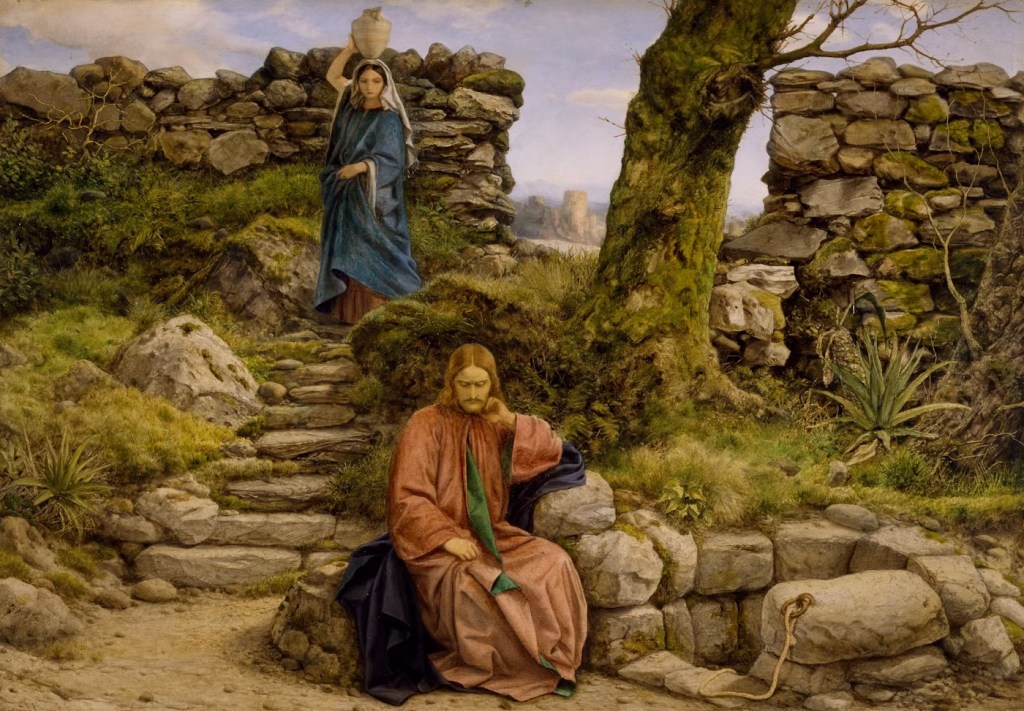
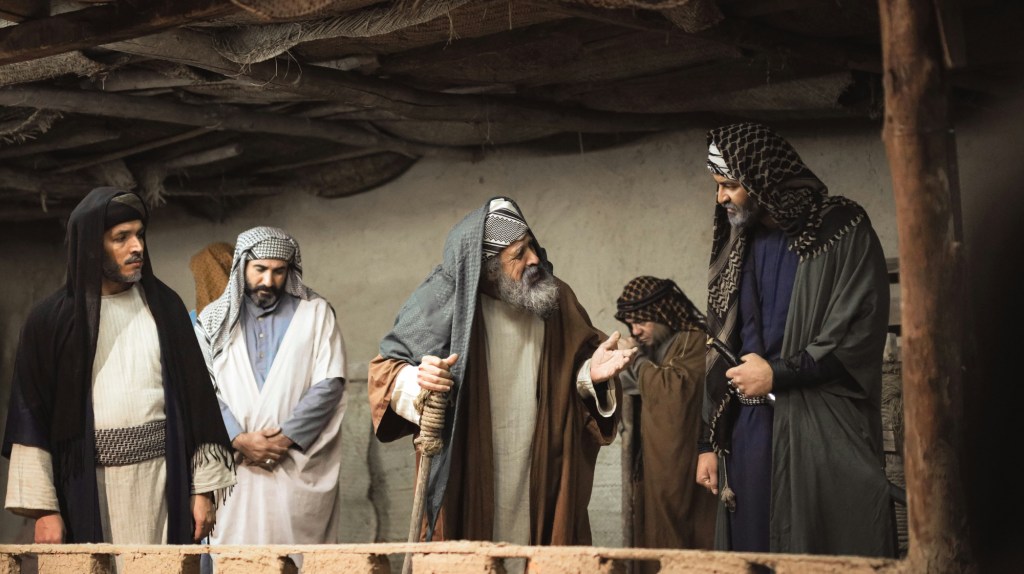
In Matthew 21:33â46, Jesus tells the parable of the vineyardâa landowner who planted, fenced, and cared for a vineyard, entrusting it to tenants who were meant to guard and cultivate it. Instead, they rejected the masterâs messengers and even killed his own son. This echoes the prophetic imagery in Isaiah 5, where God laments, âNow I will tell you what I will do to my vineyard: I will take away its hedge, and it shall be burned; break down its wall, and it shall be trampled downâ (Isaiah 5:5).
The chief priests and Pharisees who listened to Jesus knew these prophetic writings. They understood that God had entrusted His Word, His truth, and His kingdom purposes first to Israel. But through their rejection, the stewardship of the vineyard has been extended beyond themâto us, the Gentilesâwho have now received the living and active two-edged sword of Godâs Word (Hebrews 4:12).
This trust is no small thing. It means that our lives are not our own. We are called to be vessels through whom the Word is guarded, nurtured, and multiplied. Just as the vineyard was planted to yield fruit, so must our gifts, talents, and very existence bear fruit for the kingdom of God. Every word we speak, every act of service, every hidden sacrifice becomes part of the eternal harvest God is seeking.
And at the center of this story is the magnitude of Godâs sacrifice: He did not spare His own Son, but sent Him as the lifeline for sinners who had no hope of saving themselves (Romans 8:32; John 3:16). Think of the costâthe Son of God crucified, rejected by those He came to save. What a tragedy, what a waste it would be, if we who were once damned by sin now neglect so great a salvation (Hebrews 2:3).
The vineyard was never meant to be a possession for selfish gain; it was meant to be a trust, a responsibility, a calling. Likewise, our lives are not random accidents, but divinely planted vineyards where the Spirit of God seeks to cultivate righteousness, love, and truth. To waste our gifts, to bury our talents, to live for ourselves alone, is to trample underfoot the very blood of Christ poured out for us.
Beloved, the kingdom of God is still expanding, and the Master is still looking for faithful stewards. May we rise as fruit-bearing branches in His vineyard, using our voices, our resources, our influence, our creativity, and our entire lives as offerings. For when we live this way, we honor the Son who was slain, and we join in bringing forth the rich harvest that the Master has always desired.
Every believerâs journey is a divine blueprint, intricately designed by God. âBefore I formed you in the womb I knew you, before you were born I sanctified you; I ordained you a prophet to the nationsâ (Jeremiah 1:5). Your value to God is not based on comparison but on the unique purpose He has placed in you. Psalm 139:16 reminds us that every day of our lives was written in His book before one of them came to be. That is why we must not despise the promptings of the Holy Spirit â they are Godâs navigational system for our lives.
Psalm 91:1 declares, âHe who dwells in the secret place of the Most High shall abide under the shadow of the Almighty.â
The âsecret placeâ is where your identity is refined, your intimacy with God is deepened, and your assignment becomes clearer. Who you are is revealed not in the noise of the world but in the stillness before the Father. In that place, you discover what you represent concerning the mind of God and your purpose.
Itâs not enough to desire to be like someone you admire. Hebrews 6:12 exhorts us to âimitate those who through faith and patience inherit the promisesâ â but imitation here is about faith, not duplication of personality or assignment.
God can do anything with a surrendered heart (2 Chronicles 16:9). Your call is to serve and follow Him closely so your purpose unfolds naturally.
In Luke 7:37â38, the woman with the alabaster jar poured her costly perfume on Jesusâ feet, weeping in gratitude for mercy she could never repay. Her treasure was not the jar â it was the presence of the Lord. Jesus said, âWhere your treasure is, there your heart will be alsoâ (Matthew 6:21). When Christ becomes your treasure, you no longer live for human applause. You live as one whose heart is anchored in eternal things.
Many wander in uncertainty because they have never asked the Holy Spirit to reveal their true identity in Christ. John 16:13 promises that âwhen He, the Spirit of truth, has come, He will guide you into all truth.â That truth includes the truth about who you are and where you ought to go. When you know that, no one can take it from you.
Romans 8:28 assures us that âall things work together for good to those who love God, to those who are the called according to His purpose.â The shaping process is not always pleasant. But every trial is a classroom and every delay a lesson in trust. Like Job, you may be tested â not because God is punishing you, but because He wants to promote you and make a boast with your life (Job 1:8).
Luke 9:23 says, âIf anyone desires to come after Me, let him deny himself, and take up his cross daily, and follow Me.â Dying to self means letting Godâs will override your own. Itâs a circumcision of the heart (Deuteronomy 10:16) that makes you sensitive to His voice and available for His work. Only then can He win victories through you.
Jesus invites us: âTake My yoke upon you⌠for My yoke is easy and My burden is lightâ (Matthew 11:29â30). This is not the absence of work, but the presence of alignment â working in sync with the Spirit so that grace carries what human effort cannot. Hebrews 4:11 calls us to âlabour to enter that rest.â
Donât fight the test; understand its purpose. Sheep know the shepherdâs voice (John 10:27), but that voice is clearest in the valley, when distractions are stripped away. Godâs âFear not, for it is Iâ (Matthew 14:27) is an invitation to intimacy, not just comfort. Your life is a divine set-up for His glory. God wants to make a boast with your life, just as He did with Job, Joseph, and Esther. But that requires submission to His timing, His refining fire, and His instructions. Pay the price in prayer, obedience, and humility. In the end, you will leave a legacy not of mere human success, but of divine impact â a life fully yielded to the purposes of God.
Lord, reveal to me who I am in You. Draw me daily into the secret place of Your presence. Help me to fulfill my unique assignment with excellence. Teach me to trust Your process even when I donât understand it. I die to self and yield completely to the leading of the Holy Spirit.
âEven when I am afraid, I will trust in You.â â Psalm 56:3
In the grand game of life, we are often met with strategies, surprises, and setbacks. Like chess, every move matters. Every decision, every pause, and every advance must be weighed with wisdom. But unlike chess, we do not play aloneâwe have a divine strategist guiding our every step, turning even the most precarious positions into undeniable victories.
Take, for instance, Elsa Majimboâthe young Kenyan social media sensation who stunned the world not just with her wit and charisma, but with an unexpected revelation: a 15-time unassuming chess champion. Her life is a metaphor for what it means to rise quietly, to master your craft when no one is watching, and to emerge in due time with undeniable influence.
What makes Elsaâs story remarkable isnât just her comedic talent, but the way her behind-the-scenes discipline in chess mirrors a deeper spiritual truth: You can be winning long before the world notices. Her success was not built on sudden fame but on years of mental fortitude, strategy, and preparation. Likewise, the believerâs life is often a hidden workâa silent training ground where God develops character before revealing calling.
âAnd let us not grow weary in doing good, for at the proper time we will reap a harvest if we do not give up.â â Galatians 6:9
Life, like chess, is filled with oppositionâsometimes weâre a few steps from losing. A relationship fails. A dream dies. Our hope flickers. But even in apparent chaos, the Master Planner is not confused. Consider Joseph, the favored son turned slave, then prisoner, before becoming Pharaohâs right-hand man in Egypt. His life was anything but linear. Betrayed by his brothers, falsely accused, forgotten in prisonâyet God was moving the pieces.
âYou intended to harm me, but God intended it for good to accomplish what is now being done, the saving of many lives.â â Genesis 50:20
Joseph didnât see the full picture from the pit. But God, the Grandmaster, saw the palace ahead. He allowed setbacks to become setupsâeach loss a disguised gain.
Like David, we may find ourselves in dark valleysâplaces where fear and uncertainty surround us. But the promise remains:
âYea, though I walk through the valley of the shadow of death, I will fear no evil; for You are with me.â â Psalm 23:4
Faith doesnât mean we never feel fear. It means we press forward, knowing who walks with us. When fear whispers, âYouâre losing,â God declares, âIâm positioning you.â
The enemy may think he has cornered you. It may feel like youâre out of moves. But God always reserves the final word. Like the cross, what looked like defeat became the greatest victory. In Christ, we are never outmaneuvered.
âThe LORD himself will fight for you. Just stay calm.â â Exodus 14:14
No matter the disorder in your life today, take heart. God may just be setting up your checkmateâa powerful, undeniable reversal of every plan the enemy had for your destruction.
Your life may look tumultuous nowâlike youâre trapped with no way forward. But let your journey echo the stories of Joseph, David, and even Elsa Majimbo: those who endured hidden training, trusted divine timing, and emerged triumphant.
And when the enemy thinks heâs won, may your testimony boldly declare:
Betrayal is a painful reality that every purpose-driven believer will face at some point. Whether subtle or severe, it often comes from people close to usâthose who once walked beside us, shared in our joys, and even prayed with us. But scripture shows us that betrayal is not just an unfortunate detour; it is often a signpost confirming that you carry something significant and are headed somewhere great.
Let us consider the roots, signs, and spiritual relevance of betrayal, and explore how to remain grounded in purpose through it.
⸝
Scriptural Signs of Betrayal
A. Relevance at All Costs â 2 Samuel 17:2
âI will come upon him while he is weary and weak, and make him afraid; and all the people who are with him will flee. And I will strike only the king.â
(2 Samuel 17:2)
Ahithophel, once Davidâs trusted advisor, defected to Absalomâs camp. His betrayal stemmed from a desire to stay relevant in the political power shift. He aligned with the next rising starâAbsalomânot out of conviction but to maintain position and significance.
Lesson: Some betray because they fear becoming obsolete. Relevance becomes an idol, and in their desperation, they sacrifice relationships and loyalty.
B. Self-Promotion & Competition â Numbers 12:7
âBut this is not true of my servant Moses; he is faithful in all my house.â
(Numbers 12:7)
Miriam and Aaron spoke against Moses, not because he did wrong, but because they wanted the spotlight too. Hidden in their criticism was a heart full of rivalry:
âHas the Lord indeed spoken only through Moses?â
This desire to self-promote, even within the family of faith, often precedes betrayal.
Lesson: Betrayal can arise when others feel overshadowed by your calling or growth.
C. Division Among Brethren â Galatians 6:7
âDo not be deceived: God is not mocked, for whatever one sows, that will he also reap.â
(Galatians 6:7)
When betrayal stirs division in the Body of Christ, it reflects sowing seeds of disunity, which eventually returns to the sower. Those who promote chaos for gain, influence, or jealousy forget that spiritual laws cannot be escaped.
Lesson: Those who betray for short-term gain will reap what they sow in due time.
⸝
Betrayal happens because you carry something and youâre going somewhere. Throughout scripture, those with divine assignments were often betrayedâJoseph by his brothers, Jesus by Judas, Paul by Demas. What unites them? They were carriers of purpose.
âWhenever you are betrayed, it is because you carry something and youâre going somewhere.â
Betrayal is the enemyâs attempt to break your spirit before your breakthrough. But for the child of God, it becomes the very path that ushers in elevationâif we respond the right way.
⸝
3 Biblical Truths on Dealing with Betrayal and Staying Focused
1. Forgive and Rise Above â Luke 23:34
âFather, forgive them, for they do not know what they are doing.â
Jesus modeled radical forgiveness at His most vulnerable moment. Bitterness is a trap. To fulfill your purpose, you must refuse to be emotionally held hostage by betrayal. Forgiveness frees you.
2. Stay Faithful to Your Assignment â Romans 12:21
âDo not be overcome by evil, but overcome evil with good.â
Betrayal tempts you to retaliate, prove yourself, or withdraw. Resist it. Keep doing what God called you to do. Like Joseph in Egypt, remain faithful in every spaceâeven when misunderstood or wronged.
3. Let God Vindicate You â Psalm 23:5
âYou prepare a table before me in the presence of my enemies.â
Your focus should be on purpose, not revenge. Let God deal with the betrayers. Vindication is sweeter when it comes from the Lord, not your own hand. He will elevate you publicly in the very place you were dishonored.
⸝
Betrayal will come, especially when youâre on assignment. It stingsâbut it is also a sign that you are carrying something worth attacking. The enemy doesnât waste weapons on empty vessels. Recognize the signs: those seeking relevance, sowing division, or driven by comparison may turn against you. But donât lose heart.
Remain faithful, forgive freely, and walk firmly in your calling. Your assignment is too important to abort because of someone elseâs insecurity. Keep moving forwardâGod is with you.
Do you feel the burden of others and feel like helping them? Hebrews 4:15 states, “For we do not have a high priest who is unable to sympathize with our weaknesses, but we have one who has been tempted in every way just we are – yet he did not sin.” Whatever you are going through now, Jesus feels it and knows about and knows how it feels like. This same grace is given to sensory believers. They know people’s problems without the people telling them about them. When they see you, they just know something is wrong without obvious physical signs. God let them know about your situation so they can help you.
Intercessors function a lot in this area. When something bad is about to happen, they just know. Unfortunately, some immature sensory prophets do nothing about such feelings, and when it happens, you hear them say, ” I felt it.” This doesn’t make God happy at all, for He might have revealed the impending danger to you for you to provide a solution to it because he trusts you. If you continue doing that, that grace on you may become inactive. When you feel uncomfortable or sense something bad is about to happen, start praying in tongues, and the Spirit of God will take it from there. Romans 8:26 states, “In the same way, the Spirit helps us in our weakness. For we do not know what we ought to pray for, but the Spirit himself intercedes for us through wordless groans. And he who searches hearts knows what is the mind of the Spirit, because the Spirit intercedes for the saints according to the will of God. As you pray in tongues consistently and for long, He will start speaking through you and help you. Glory be to Jesus!
Someone had a dream, and in that dream, she was stubbed in the neck. She asked me for my late father in the Lord’s number, which I provided. As soon as she called him in my presence, the man said, “Put your hand on your neck,” and he prayed for her, and she was free. What an awesome God! You can activate this gift through worship, prayer, or intercession,study about Jeremiah, and how he operated in the prophetic or others. You can also identify with such prophets and serve them, and you will never be the same.
Sensory prophets can also sense good happenings around people or in an environment. A birthday party might have been held in their presence in a place, and when they get there, they will pick that frequency at once. Even if there was a quarrel in a place, they would know through how the environment feels like.
If you take delight in horror, ghosts, or bloody movies as well as pornography etc you will render your gift inactive because such movies are not good for you because they affect your emotions negatively.
Also, remember that people with emotional issues will be drawn to you for help. Even you yourself may have a lot of uncertainty issues regarding what you sometimes feel, unlike the auditory or visionary prophets. This is because when you see or hear your assurance level is high, but when you feel, you may be uncertain because you may think it’s your spirit or emotions talking to you rather than God. It’s because your human spirit has become one with the Spirit of God as confirmed by 1 Corinthians 6 :17 ” But whoever is united with the Lord is one with him in spirit.”
Walk in through the realm of the prophetic as you always dwell in his presence and read books on your calling or office as a believer. I love you!
There are different kinds of prophets, namely auditory, visionary, and sensory prophets. Some prophets can function in both auditory and visionary dimensions or even the three. Some functions in both and others in one. Those who are auditory prophets hear more than seeing or sensing. We often hear them say, ” I hear….” Those who are visionary also called seers see more hearing and sensing. For such people they say ” I see…., saw ….
Most believers operate as sensory prophets without knowing it. There’s, however, a difference between being prophetic and being a prophet. A prophet occupies the office of a prophet, but being prophetic is a function of gifts. Most believers are prophetic in operation.
Sensory believers or prophets perceive things, pick up signals without necessarily hearing or seeing as mentioned earlier. God uses their emotions to speak to them. Holy Ghost filled and prayerful women are mostly sensory believers or prophetesses.
A sensory prophet can tell who people really are when they first meet them. It’s sometimes a knowing which can’t be explained. You just know, and your instincts don’t disappoint you. You can make a difference between God’s presence and the devil’s. When such people enter a church and it’s not of God, they immediately know. Hebrews 5:14 says that solid food is for the mature, those who have their senses trained to distinguish between good and evil through practice. Say, “Oh Lord, activate my senses by your Spirit in the name of Jesus.” Pray this prayer until you are spiritually satisfied. A lady who has filed divorced told me before, during marriage, her relationship has also been about fight with her partner. She said she herself sensed a bad omen concerning the marriage but still went into it because she was pregnant for the man before marriage, so they had to get married at all costs. Over here, God used the senses of this dear lady to warn her about impending problems attached to her marriage, but she decided to disobey God and is now regretting it. That shall not be your portion in Jesus’ name! If you also made the same mistake, the Lord give you grace to overcome such a problem for ” it’s not by might nor by power but by His Spirit” – Zechariah 4:6.
When you lose your peace when you are about traveling and making a major decision, please don’t go ahead. Prayer and hear from the Lord through the means He may choose to use to answer you. In some cases, He may use your emotions to communicate with you. When your peace returns, go ahead, but if it doesn’t, don’t. Sometimes, your peace may be taken not because God isn’t involved but just because there’s a problem that needs to be tackled before u go ahead. When I got my job, I was happy and worried at the same time. I initially didn’t know why, and after praying about it, my peace returned, and I accepted the job. When I got to my workplace, I never worked for some weeks because most of the cases that were coming to my court were Ga or Twi cases that needed Ga or Twi interpreters, which I’m not so I felt irrelevant because I’m a French/English/ Spanish and Ewe interpreter. At a point in time, I wanted to resign, and I was advised not to do so and that I would have my cases and be fine. Thankfully, I began having several cases in my languages to the extent that these days, I move from court to court. Glory be to God! God saw the temporary problem I have just identified and tried telling me about it before time, and now the picture is clear. So the fact that there’s no peace doesn’t not always mean God isn’t involved. If He is, your peace shall return like what happened in my cases. But if He’s not, the more you pray about a situation, you will always be restlessness and there will be no peace.
Do you see yourself as a sensory believer or prophet now? Stay blessed!
When we read Acts 15:1â18, we see a powerful account of how the early church faced questions, disagreements, and yet witnessed the undeniable move of God among the Gentiles. Paul and Barnabas were passionate about carrying the Gospel beyond the walls of Jerusalem to the Gentiles, and God Himself validated their mission with mighty signs and wonders.
The Scriptures say, âGod, who knows the heart, acknowledged them by giving them the Holy Spirit, just as He did to us.â (Acts 15:8, NKJV). It was Godâs doing from beginning to end â not manâs brilliance, charisma, or power, but the faithfulness of God alone.
We Are Called to Be Consumed with the Gospel
Like Paul and Barnabas, our hearts must burn with the desire to see the Good News reach every soul. Jesus Himself declared: âBut you shall receive power when the Holy Spirit has come upon you; and you shall be witnesses to MeâŚâ (Acts 1:8). The power is not for self-exaltation but for witness â to point people to Jesus Christ, the only One who can heal our broken, warring, and dying world.
God Validates His Message with Signs and Wonders
God backed Paul and Barnabas with wonders. When we truly preach Christ, God still confirms His Word today. But we must remember: miracles are never an end in themselves. They point to the Messiah. They magnify Christ. They show the glory of God to a world in desperate need.
Be Ready for Opposition
Often, when Godâs power is moving, so is the enemy. Amidst revival, there was also resistance and dispute (Acts 15:1â2). We must not be surprised when opposition comes. Jesus warned us: âIn the world you will have tribulation; but be of good cheer, I have overcome the world.â (John 16:33). So, like the apostles, we stand firm, rooted in the truth, unwavering in our mission.
Never Touch His Glory
One grave temptation in seasons of mighty manifestations is to receive or share in the glory that belongs to God alone. But the Word asks, âShall the axe boast itself against him who chops with it? Or shall the saw exalt itself against him who saws with it?â (Isaiah 10:15). No matter how mightily God uses you, remember you are just the instrument; He is the Craftsman.
Herod learned this lesson the hard way when he received the praise of men but did not give glory to God â and he fell under judgment (Acts 12:21â23). So too, we must always deflect praise back to the One who alone is worthy.
Keep the Focus on Jesus
At the heart of it all is this: Only Jesus saves. The world does not need another hero; it needs the Saviour. Our gifts, our ministries, our signs and wonders â all must lead people to the cross. âFor we do not preach ourselves, but Christ Jesus the LordâŚâ (2 Corinthians 4:5).
Dear believer, remain humble. Stay hidden in Christ. When God works through you â whether in your home, your church, your city, or to the ends of the earth â remember: it is His power, His message, His harvest, His glory.
Let our lives echo John the Baptistâs heart: âHe must increase, but I must decrease.â (John 3:30).
May the Lord find us faithful, usable, and quick to give Him all the glory â now and forever.
âBut my life is worth nothing to me unless I use it for finishing the work assigned me by the Lord Jesusâthe work of telling others the Good News about the wonderful grace of God.â
ââActs of the Apostles⏠â20âŹ:â24⏠âNLTâŹâŹ
Beloved, God plants dreams and visions in your heart, but the choice to act is yours. It is your decision to say yes that activates heavenâs assignment over your life. You will never fully walk in the dreams God has for you until you decideâboldly and dailyâto step out in faith and obedience.
Whether youâre standing at a crossroads in your career, your marriage, your finances, your health, or your family, remember this: Godâs Word holds a clear and practical guide for wise decisions that align your life with His perfect plan.
1. Pray for guidance. Before you do anything else, get Godâs perspective on the issue. âA man is a fool to trust himself! But those who use Godâs wisdom are safeâ (Proverbs 28:26 TLB).
2. Get the facts. There is no contradiction between faith and fact. Find out everything you can before you make a decision. Proverbs 13:16 says, âAll who are prudent act with knowledgeâ (NIV).
3. Ask for advice. Talk to somebody whoâs made a similar decision and friends who know your weaknesses. âThe more good advice you get, the more likely you are to winâ (Proverbs 24:6b GNT).
4. Calculate the cost. Every decision has a price tag; it will cost you time, money, energy, reputation, talents, and resources. Proverbs 20:25 says, âIt is a trap to dedicate something rashly and only later to consider oneâs vowsâ (NIV). When people pressure you to make a decision, itâs OK to say, âIâll get back to you.â Itâs more important to make a wise decision than a quick decision.
5. Prepare for problems. In faith, expect the best. Expect God to work in your life. But also prepare for the problems that are part of every decision. Solomon said in Proverbs 22:3, âA prudent man foresees the difficulties ahead and prepares for them; the simpleton goes blindly on and suffers the consequencesâ (TLB).
6. Face your fears. Perfectionism paralyzes potential. God has always used imperfect people in imperfect situations to get his will done. Ecclesiastes 11:4 says, âIf you wait for perfect conditions, you will never get anything done.â You have to trust God and start moving in spite of your problems, fears, and doubts.
As we close the first half of this year, may the Holy Spirit ignite a fresh fire within you for any dream still waiting to be birthed. May your faith be renewed and your trust deepened as you press on to finish the work He has assigned you. May your life echo Paulâs wordsâcounting all else as loss, until the mission is complete.
âBehold, now is the accepted time; behold, now is the day of salvation.â
â 2 Corinthians 6:2 (KJV)
⸝
In our walk with Christ, God often entrusts us with visions, instructions, or divine appointmentsâmoments when heavenâs timetable intersects with earthâs. Yet too often we hesitate, weighing pros and cons, worrying about our own readiness, or comparing ourselves to others. The truth is clear: delayed obedience is disobedience. When the Lord speaks, He expects prompt, wholehearted action. Lives hang in the balance, and every moment of hesitation can cost someone an encounter with His grace.
⸝
The Urgency of Obedience
âGo ye into all the world, and preach the gospel to every creature.â (Mark 16:15 KJV)
âDo not delay to do goodâŚâ (Proverbs 3:27 NKJV)
Why Speed Matters:
1. Soul Impact: The gospel, healing, or encouragement you carry may be the very lifeline someone desperately needs today.
2. Spiritual Momentum: Prompt obedience builds faith and sharpens our sensitivity to the Spiritâs leading, making us more responsive next time.
3. Satanâs Delay Tactics: Every moment we stall, the enemy gains a foothold of doubt and fear.
Reflection: What vision or instruction has God placed on your heart that youâve been putting off? How might your immediate obedience bring hope or healing to someone right now?
⸝
Excellence in Service to God
âWhatsoever thy hand findeth to do, do it with thy mightâŚâ (Ecclesiastes 9:10 KJV)
âAnd whether⌠we eat, or drink, or whatsoever we do, do all to the glory of God.â (1 Corinthians 10:31 KJV)
Pursuing Excellence Means:
1. Preparing Your Heart: Cultivate humility, integrity, and a teachable spirit.
2. Developing Skills: If God has called you to teach, preach, mentor, create, or leadâhone your gifts through study, prayer, and practice.
3. Offering Your Best: Even the small tasks (greeting newcomers, folding bulletins, sending an encouraging text) deserve your very best, as though serving the King of kings.
Challenge: Choose one routine ministry task this week and ask: âHow can I do this with greater excellence for Godâs glory?â
⸝
From Competition to Cooperation – Godâs Design for Unity:
âEndeavouring to keep the unity of the Spirit in the bond of peace.â (Ephesians 4:3 KJV)
âThere should be no divisions in the body, but that its parts should have equal concern for each other.â (1 Corinthians 12:25 NIV)
Dangers of a Competitive Spirit:
1. Distracts from the Mission: When we compete for status, platforms, or praise, we hijack our focus from Christ-centered outreach.
2. Breeds Comparison: Comparison cultivates envy, discouragement, and prideânone of which belong in the body of Christ.
Cultivating Cooperation:
1. Celebrate Othersâ Gifts: Speak verbally and publicly about what you admire in fellow servants.
3. Pray Together: Lift each otherâs visions before the Lord; intercession binds hearts and multiplies fruit.
Action Step: Identify one ministry partner today and reach out to encourage them. Ask how you can pray for or support their vision.
⸝
Godâs kingdom advances not by our timidity or rivalry, but by our prompt obedience, relentless pursuit of excellence, and joyful cooperation. When we answer His call without delay, work as though serving Christ Himself, and serve alongside our brothers and sisters in unity, we become a powerful, unstoppable force for the gospel.
Final Reflection:
⢠What step of faith will you take now?
⢠How will you refine your gift to serve with excellence?
⢠Who will you encourage toward unity today?
⸝
âFor God is not a God of confusion, but of peace.â â 1 Corinthians 14:33 (KJV)
May we never treat Godâs instructions lightly, for the destiny of many rests not on what we dream we could doâbut on what we do today, together, for His glory. Let us move in peace, purpose, and powerâtogether.
âAnd Jesus said unto them, Because of your unbelief: for verily I say unto you, If ye have faith as a grain of mustard seed, ye shall say unto this mountain, Remove hence to yonder place; and it shall remove; and nothing shall be impossible unto you.â â Matthew 17:20 (KJV)
There are moments in our walk with God when the assignment seems too daunting, the vision too vast, and the timing inconvenient. We wrestle with uncertainty, weighed down by human limitations and past disappointments. And yet, Jesus speaks directly to this state of mind: âBecause of your unbeliefâŚâânot because the mountain is too high, not because the timing is wrong, but because of unbelief.
In this powerful verse, Jesus reduces the criteria for miracles and divine exploits to something so small itâs almost laughable: faith as a grain of mustard seed. Why a mustard seed? Because it is small but potent. Planted in the right soil, it grows into a tree. Likewise, even the smallest measure of faith, when rooted in trust and obedience to God, can unlock heavenâs power and fulfill divine purpose.
⸝
1. Faith Isnât a Feeling â Itâs an Act of Obedience
We often think faith should feel like boldness or certainty. But faith doesnât always roar. Sometimes it whispers: âGo anyway.â In Hebrews 11:8, âBy faith Abraham, when he was called⌠obeyed; and he went out, not knowing whither he went.â He didnât have the full picture. He simply trusted the One who called him.
Godâs purpose for your life wonât always make sense. It might demand uncomfortable risks. But delayed obedience is still disobedience, and unbelief subtly disguises itself as caution or logic. The mustard-seed kind of faith says, âIf God has said it, I donât need to have it all figured outâI just need to move.â
⸝
2. Mountains Were Meant to Move
Jesus didnât say we should climb the mountain. He said we could move it. Thatâs a radical statement. Mountains here symbolize every obstacle that stands in the way of divine assignmentâfear, lack, insecurity, shame, delay, opposition.
Your assignment isnât to analyze the mountain; itâs to speak to it in faith. Mark 11:23 echoes this power: âWhosoever shall say unto this mountain, Be thou removed⌠and shall not doubt in his heart⌠he shall have whatsoever he saith.â The words you release in faith matter. Faith speaks. Faith declares. Faith shifts spiritual atmospheres.
⸝
3. God Is Not Looking for the Qualified â Just the Willing
When God called Moses, he had excuses. So did Gideon. So did Jeremiah. But their stories were not defined by their weakness; they were transformed by their willingness to say âyes.â Ephesians 2:10 reminds us: âWe are His workmanship, created in Christ Jesus unto good works, which God hath before ordained that we should walk in them.â That means your purpose was written before your fear ever formed.
Godâs will is not something you manufacture; itâs something you discover and walk in. And walking in it requires faithâraw, shaky, mustard-seed faith. Itâs the kind of faith that trusts God more than timelines, more than feelings, more than qualifications.
⸝
4. Stir It Up Again
Maybe you had faith once. Maybe you believed for the impossible, but lifeâs disappointments dulled your edge. Paulâs words to Timothy are for you: âStir up the gift of God, which is in theeâŚâ (2 Timothy 1:6). The Greek word translated as âstir upâ means to fan into flame. Donât let the embers of old dreams die out. Blow on them with prayer. Fuel them with the Word. Surround yourself with believers who dare to believe God for big things.
God is still calling. The mountain still moves. The assignment still stands.
⸝
Nothing Shall Be Impossible
Let this be your anchor: âNothing shall be impossible unto you.â Not because of who you areâbut because of who He is. Your part is to believe, speak, obey, and move. His part is to fulfill, strengthen, empower, and perform.
You donât need mountain-sized faith. You only need a mustard seed. And when planted in obedience and watered by trust, that seed becomes the path to destiny.
So today, rise up. Stir your faith. Confront your unbelief. And say to the mountain: âMove.â
Lady: âYes, it is, but I wasnât feeling it.â
Guy: âReally? But what do you want to feel?â
This brief exchange between a young lady and a concerned gentleman captures a subtle but dangerous undercurrent in todayâs Christian walk: the slow drift into autopilot living. Many believers, often without even realizing it, have shifted from a deliberate, Spirit-led journey to a passive, emotion-driven existence. Their spiritual lives become habitual rather than intentional, reactive rather than proactive, comfortable rather than transformational.
To live on autopilot means to function without conscious thought, merely repeating routines without engaging the mind or heart. In the Christian life, autopilot looks like:
⢠Attending church when itâs convenient
⢠Praying only when thereâs a crisis
⢠Reading the Bible sporadicallyâif at all
⢠Serving when asked, but not with joy or conviction
⢠Measuring spiritual health by how one âfeelsâ rather than by obedience or fruit
This kind of living is subtle. It doesnât come with alarms or warnings. It creeps in during seasons of weariness, disappointment, or even busyness. One missed quiet time turns into a week of silence. One skipped church visit becomes three months of online âcatch-upâ that never really happens. Soon, a vibrant walk with God becomes a memory, and faith becomes mechanical.
âI wasnât feeling it.â
This statement reflects a mindset that equates spiritual activity with emotional stimulation. While feelings are a gift from God and can accompany worship and fellowship, they are not the foundation of faith. Jesus did not say, âIf you feel like it, follow me.â He said, âIf anyone would come after me, let him deny himself and take up his cross daily and follow meâ (Luke 9:23).
When feelings become the compass of our spiritual journey, we are prone to instability. Emotions are unpredictable. They respond to external conditions, internal chemistry, and even the weather. But truthâGodâs unchanging Wordâanchors us beyond the tides of emotion.
To live by feelings is to reject the walk of faith. The Christian life is about trust, obedience, and growthânot always goosebumps and euphoria.
The apostle Paul writes in Hebrews 5:12-14:
âThough by this time you ought to be teachers, you need someone to teach you again the basic principles of the oracles of God⌠But solid food is for the mature, for those who have their powers of discernment trained by constant practice to distinguish good from evil.â
Spiritual maturity doesnât come by accident. It is cultivated through:
⢠Deliberate study of Scripture
⢠Intentional prayer
⢠Persistent obedience
⢠Regular fellowship
⢠Consistent self-examination and repentance
None of these are possible on autopilot. The mature believer trains themselves, just as an athlete trainsâconsciously, repeatedly, sometimes painfully. They donât wait for motivation; they act out of conviction.
Autopilot Christianity bypasses all these disciplines. It numbs discernment. It leads to spiritual atrophy, where the believer is alive but not thriving, present but not participating, saved but not sanctified.
Jesus never lived a moment on autopilot. His entire ministry was marked by purposeful movementâearly morning prayers, deliberate teaching, strategic retreats, and intentional relationships. John 5:19 tells us:
âThe Son can do nothing of his own accord, but only what he sees the Father doing.â
This level of attentiveness is the opposite of passivity. Jesus was constantly in tune with the Fatherâs will, not his feelings. In Gethsemane, he didnât feel like going to the crossâbut he went. Why? Because obedience trumped emotion.
So how do we step off the conveyor belt of autopilot and live with purpose?
1. Realign with the Word
Donât wait to feel like reading the Bibleâstart reading. Let the Word shape your thoughts and desires. Truth reorients our emotions.
2. Show Up Anyway
Whether itâs Sunday service, small group, or prayer timeâshow up. God meets those who seek Him, not those who wait to be moved.
3. Talk to God Even When Itâs Awkward
Prayer isnât always eloquent. Sometimes itâs just honest. But the act of talking to God keeps the relationship alive.
4. Examine Your Routine
Is your life spiritually automated? What have you stopped doing because it âdoesnât feel the sameâ? Ask the Holy Spirit to renew your hunger.
5. Pursue Accountability
Find mature believers who will challenge you when you check out. We werenât made to run this race alone.
The young woman in the opening dialogue is not alone. Many have grown weary of spiritual disciplines that once brought joy. But the way back isnât through chasing emotional highsâitâs by returning to the basics with new commitment.
Autopilot may get you through traffic, but it will never get you to your destination in faith. God is calling His people to wake up, rise up, and walk deliberately. Because only the intentional Christian grows, matures, and impacts the world.
âWake up, sleeper, rise from the dead, and Christ will shine on you.â
There are moments in life when we long deeply for something â a job, a relationship, a breakthrough, a child, a platform, or simply a change in our circumstances. In those moments, the most natural question we ask is: âHow can I get this?â But perhaps the better question to ask is:
âIs this desire in alignment with the will of God for my life â and for this season?â
This simple shift in perspective can change everything.
Desire Isnât Always the Problem
Desire, in itself, is not wrong. In fact, Scripture is filled with verses that acknowledge human longing:
âTake delight in the LORD, and he will give you the desires of your heart.â
â Psalm 37:4 (NIV)
However, the key is this: Desire must align with Godâs purpose and timing.
Sometimes we desire something good â even godly â and yet we donât receive it. Why? It might not be the right time, or we might not be in the right place spiritually or emotionally. Other times, our desire is misaligned with our purpose entirely.
The Will of God: What Is It?
The will of God can be understood in three main dimensions:
1. Godâs Sovereign Will â This is Godâs ultimate plan for the universe, unchangeable and unstoppable (e.g., creation, redemption through Christ).
âI know that you can do all things; no purpose of yours can be thwarted.â
â Job 42:2
2. Godâs Moral Will â This refers to the principles and commands God has given us to live by (e.g., love, integrity, purity).
âBe holy, because I am holy.â
â 1 Peter 1:16
3. Godâs Personal Will â This is Godâs specific guidance for our individual lives â the right decisions, relationships, opportunities, and timing.
âYour ears shall hear a word behind you, saying, âThis is the way, walk in it,â whenever you turn to the right hand or whenever you turn to the left.â
â Isaiah 30:21 (NKJV)
Three Possibilities When We Desire Something
Letâs explore three different situations when we desire something:
1. You Desire a Thing + It Is in Godâs Will + It Is Godâs Time = He Will Give It
When your desire aligns with Godâs purpose for your life and itâs the right season, you will receive it â often in ways beyond what you imagined.
âFor the LORD God is a sun and shield; the LORD bestows favor and honor; no good thing does he withhold from those whose walk is blameless.â
â Psalm 84:11
2. You Desire a Thing + It Is in Godâs Will + Itâs NOT the Right Time = You May Wait
Waiting is not denial â it is preparation. God sometimes delays fulfillment to develop character, build faith, or align circumstances.
âHe has made everything beautiful in its time.â
â Ecclesiastes 3:11
Think of Joseph, who had a dream from God but went through years of hardship before stepping into purpose (Genesis 37â41). Timing matters.
3. You Desire a Thing + It Is NOT in Godâs Will = It Will Not Be Granted
Even if the thing seems good to you, if it is not Godâs will or does not align with your purpose, it can lead to distraction or destruction.
âYou ask and do not receive, because you ask with wrong motives, so that you may spend it on your pleasures.â
â James 4:3 (NASB)
In these moments, we must surrender our will to Godâs higher wisdom and trust that He knows best.
What Should We Ask Instead?
Instead of asking, âWhy havenât I received this?â ask:
⢠Is this desire aligned with Godâs purpose for me?
⢠Is this the season for this desire to be fulfilled?
⢠Am I walking in Godâs will for my life right now?
The answer may lead you to surrender, alignment, and transformation.
Desire with Discernment
Desires can be beautiful indicators of what God may want to do in your life â but only when they are filtered through His will and surrendered to His timing. There is peace in knowing that God doesnât withhold good things out of cruelty but out of purpose. He sees the full picture, and His plans are always for our good.
âFor I know the plans I have for you,â declares the Lord, âplans to prosper you and not to harm you, plans to give you hope and a future.â
â Jeremiah 29:11
So next time you find yourself longing for something, take a step back and ask:
âIs this in the will of God for my life in this season?â
If it is, trust that He will bring it to pass â in His time and in His way.